Understanding common eye conditions.

Knowing the signs helps you protect your vision. Here’s a plain-language look at conditions we diagnose and manage — and why regular exams matter so much.

Dry Eye

Dry eye occurs when your eyes don’t produce enough tears or when your tears don’t work properly to keep your eyes comfortable. It can cause dryness, irritation, redness, watering, or a gritty feeling, and symptoms can sometimes affect your vision.

We can evaluate the underlying causes of dry eye and recommend personalized treatment to help improve comfort and tear function. Learn more about Dry Eye Treatment

Cataracts

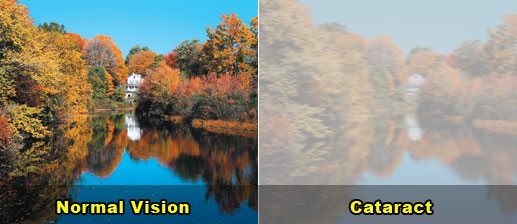
A cataract is a clouding of the eye’s natural lens, most often related to aging. It can cause blurry vision, glare, faded colors, and trouble seeing at night. Cataracts develop gradually, so many people don’t notice at first — one more reason regular exams matter. We’ll monitor the progression and discuss options, including referral for surgery when the time is right.

Glaucoma

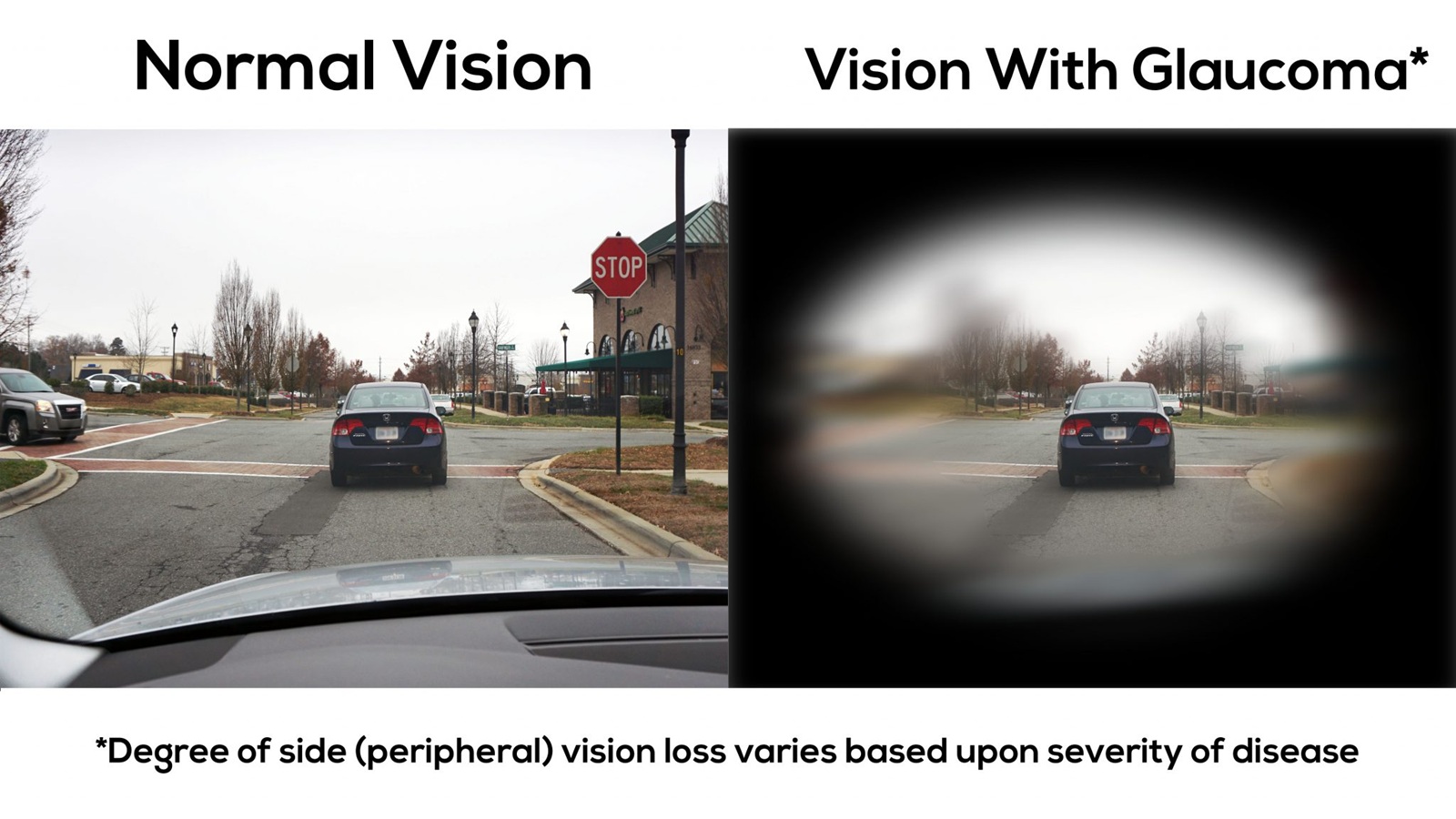
Glaucoma is a group of conditions that damage the optic nerve, often linked to elevated pressure inside the eye. It’s sometimes called the “silent thief of sight” because it usually causes no symptoms until vision is already affected. Early detection through routine exams is key — when caught early, glaucoma can typically be managed to slow or prevent further vision loss.

Macular Degeneration

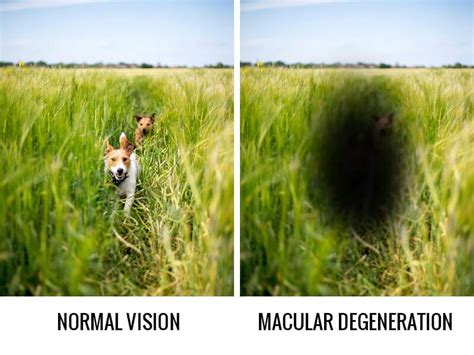
Age-related macular degeneration (AMD) affects the macula, the part of the retina responsible for sharp, central vision. It can make reading, driving, and recognizing faces difficult. While there’s no cure, early detection and ongoing monitoring — along with lifestyle steps — can help protect the vision you have.

Diabetic Retinopathy

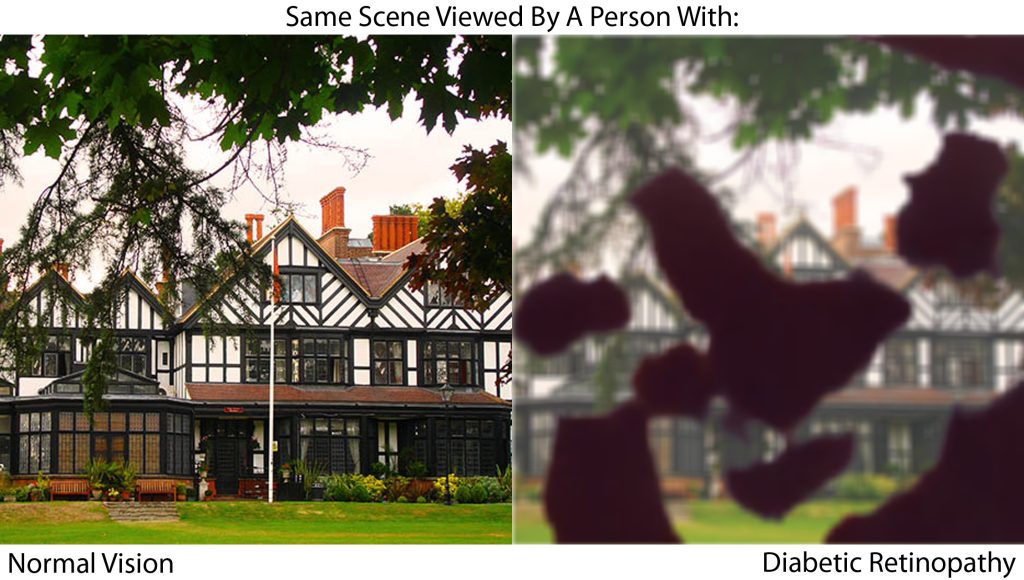
Diabetes can damage the tiny blood vessels in the retina, leading to diabetic retinopathy — a leading cause of vision loss in adults. It often has no early symptoms, which is why anyone with diabetes should have a dilated eye exam every year. We work with you (and your primary care team) to catch changes early and protect your sight.

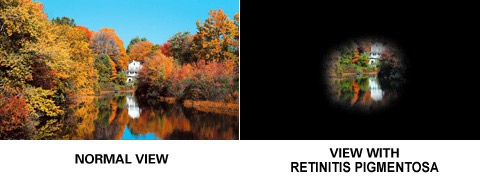
Retinitis Pigmentosa

Retinitis pigmentosa is a group of inherited disorders that gradually break down cells in the retina. It typically begins with night-vision difficulty and loss of peripheral (side) vision. We help patients understand the condition, monitor changes over time, and connect with resources and specialists as needed.

Concerned about your vision? Let’s take a look.

The earlier we catch a problem, the more we can do about it. Schedule a comprehensive exam and get answers.
Call Now
Scroll to Top